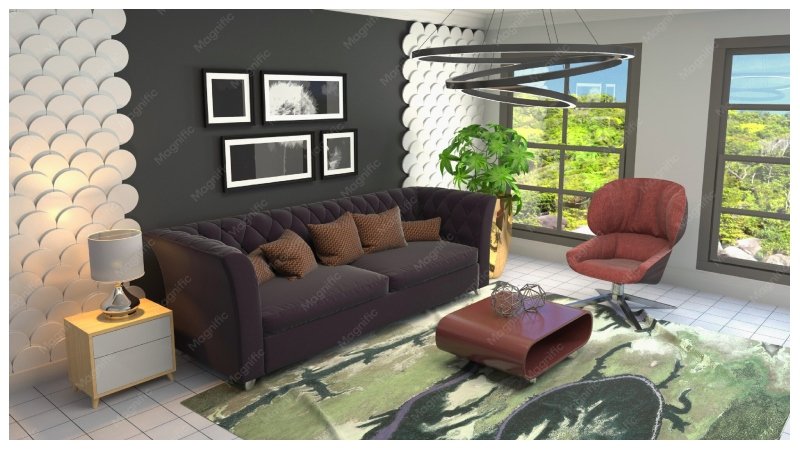
A beautiful home is not simply a collection of expensive furniture, trendy colors, or decorative accessories. Good interior design creates a space that feels comfortable, reflects personal taste, and works naturally with everyday life. This practical idea is at the heart of the interior design inspiration associated with DesignMode24.
Whether you are updating a living room, refreshing a bedroom, improving a kitchen, or making better use of a small space, thoughtful planning can make a noticeable difference. The right combination of layout, lighting, colors, furniture, storage, and personal details can turn an ordinary room into a more welcoming environment.
What Is Interior Design DesignMode24?
Interior Design DesignMode24 can be viewed as a practical approach to home interiors that combines visual appeal with everyday functionality. Rather than following one strict decorating style, the focus is on making design decisions that suit the room, the available space, and the people who use it.
This approach can be useful for both simple room makeovers and larger home-improvement projects. The goal is to create interiors that look attractive without sacrificing comfort or practicality.
Begin With the Purpose of Your Space
Before buying furniture or choosing paint, think about how the room will be used.
A living room may need comfortable seating for family gatherings, while a bedroom should provide a calm environment for rest. A home office needs enough working space, suitable lighting, and convenient organization.
Understanding the purpose of a room helps you avoid unnecessary purchases. It also makes decisions about furniture placement, storage, lighting, and decoration much easier.
Choose Furniture That Fits the Room
Furniture can completely change the appearance and functionality of an interior. A large sofa may look impressive in a showroom but overwhelm a small living room. Similarly, furniture that is too small can make a large room feel empty.
Measure your available space before purchasing major pieces. Leave enough room for people to walk comfortably between furniture and access doors, windows, and storage areas.
A well-planned room should feel open enough to move around while still providing everything the occupants need.
Create a Balanced Color Scheme
Color is one of the easiest ways to change the mood of a room. Soft colors can create a calm atmosphere, while deeper or brighter shades can add character and visual interest.
Instead of using many unrelated colors, choose a primary shade and build the room around complementary tones. You can introduce additional color through cushions, rugs, curtains, artwork, plants, and decorative objects.
You do not need to repaint the entire room to create a noticeable change. Sometimes a few carefully selected accents can provide enough contrast and personality.
Make Lighting Part of the Design
Lighting should not be treated as an afterthought. It can influence how colors, furniture, textures, and architectural features appear.
A well-designed room can use several types of lighting. General lighting provides overall illumination, task lighting supports activities such as reading or working, and accent lighting can highlight artwork or architectural details.
Natural light is also valuable. Where possible, avoid unnecessarily blocking windows with heavy furniture or dark curtains. Allowing daylight into a room can make the space feel brighter and more open.
Make Small Rooms Feel More Spacious
Small spaces require careful planning, but limited square footage does not mean you have to sacrifice style.
Use furniture that matches the scale of the room and consider pieces that serve more than one purpose. Storage beds, ottomans with hidden compartments, wall shelves, and compact tables can help reduce clutter while preserving useful floor space.
Vertical storage is another effective option. Shelves and cabinets that use wall height can provide additional storage without taking up much floor area.
Mirrors can also help create a greater sense of openness by reflecting light and adding visual depth.
Add Texture for More Character
A room can sometimes feel flat when every surface has the same appearance. Texture adds depth and makes an interior more interesting.
Consider combining materials such as wood, fabric, glass, metal, natural fibers, and stone-inspired surfaces. Soft rugs can balance harder flooring, while cushions and throws can make seating areas feel warmer.
The key is balance. Too many competing textures can make a room feel visually crowded.
Bring Your Personality Into the Room
The most memorable interiors usually contain something personal.
Family photographs, artwork, books, travel souvenirs, handmade pieces, or meaningful decorative objects can give a room its own identity. These details also help prevent an interior from looking like a copy of a showroom or a social media trend.
A well-designed home should tell something about the people who live there.
Think About Storage From the Beginning
Storage should be part of the design plan rather than something added after the room becomes cluttered.
Closed cabinets can hide everyday items, while open shelves can display books, plants, and decorative pieces. In bedrooms, under-bed storage and built-in wardrobes can help maximize available space.
Good storage should also be convenient. If frequently used items are difficult to reach, the system may not remain organized for long.
Choose Materials Based on Your Lifestyle
Appearance is important, but practical considerations matter too.
A busy family home may benefit from durable and easy-to-clean surfaces. Kitchens need materials that can handle regular cleaning, while bathrooms require options suitable for moisture and humidity.
Think about how much maintenance a material requires before making a final decision. A beautiful surface that is difficult to maintain may not be the right choice for your lifestyle.
Use Trends Without Losing Your Own Style
Interior trends can provide useful inspiration, but they should not control every design decision.
Current interior-design discussions increasingly highlight personalization, comfort, expressive colors, natural materials, and interiors that feel more individual. These ideas can inspire a makeover without requiring you to completely redesign your home.
For example, if you like a current color trend, consider introducing it through cushions, artwork, or a single accent wall instead of changing everything.
This approach makes it easier to update the room later.
DesignMode24 as a Source of Interior Inspiration
DesignMode24-related content covers different aspects of home and interior improvement, including living spaces, bedrooms, kitchens, bathrooms, outdoor areas, and DIY ideas.
This broader perspective is useful because interior design often overlaps with practical home improvement. Changing a room’s layout can improve movement, while better storage can make a space look cleaner. Updating lighting can improve both functionality and atmosphere.
The most effective projects therefore consider appearance and usability together.
Final Thoughts
Interior Design DesignMode24 offers a useful way to think about creating a home that is attractive without losing its practical purpose. You do not need a huge budget or a complete renovation to improve your surroundings.
Start by understanding the room, measure your space, choose furniture carefully, plan lighting, control clutter, and introduce colors and textures that reflect your personality. Small improvements can often make a significant difference.
Ultimately, good interior design is about creating a home that looks beautiful and feels right to live in. Please visit my site, Story Layer Magazine, for more details.
Frequently Asked Questions
1. What is Interior Design DesignMode24?
Interior Design DesignMode24 refers to practical interior-design inspiration associated with DesignMode24. It focuses on combining visual appeal, comfort, organization, and functionality when planning home interiors.
2. Can DesignMode24 ideas work in small homes?
Yes. Many interior design principles can be adapted to smaller homes. Space-saving furniture, vertical storage, suitable lighting, and a carefully planned layout can help make compact rooms more functional.
3. How can I make my living room look better without renovating it?
Start with furniture placement, lighting, textiles, and accessories. Rearranging furniture, adding a rug, improving lighting, introducing plants, or updating cushions can change the appearance of a living room without major construction.
4. Why is lighting important in interior design?
Lighting affects both the function and atmosphere of a room. Combining general, task, and accent lighting can make a space more comfortable while highlighting important design features.
5. Should I follow the latest interior-design trends?
Trends can provide inspiration, but they do not need to determine your entire design. Choose ideas that fit your lifestyle, budget, home, and personal taste. A timeless base with a few trend-inspired details can also make future updates easier.